
How to Sell Software Online: Complete Guide 2026
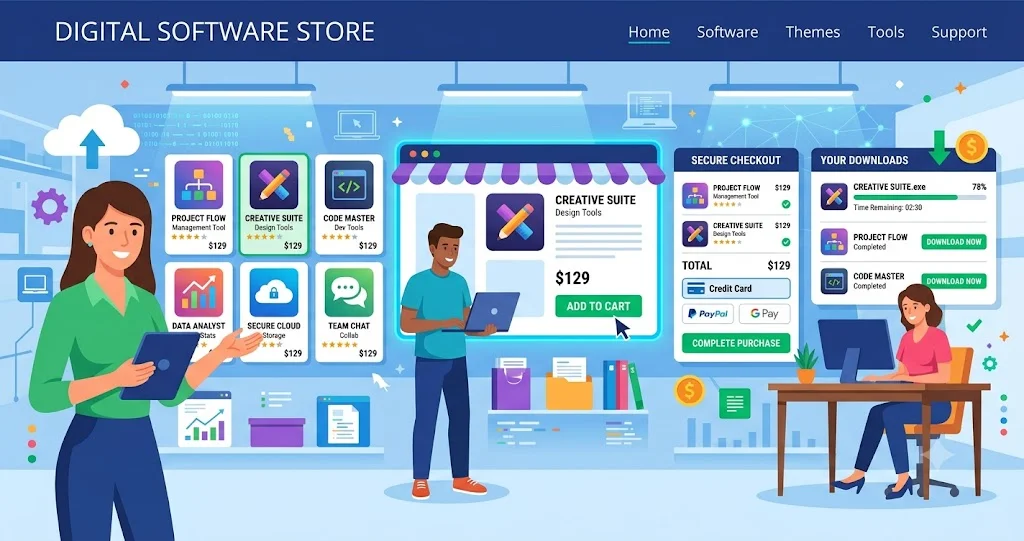
Software sales represent a dynamic and growing market, offering significant opportunities for developers and entrepreneurs. However, successfully selling software online requires a strategic approach that encompasses everything from product development and pricing to marketing and customer support. This guide provides a comprehensive overview of the steps and considerations involved, offering an educational perspective on the software sales landscape in 2026.
Introduction: The Software Sales Landscape
The software market has become increasingly accessible, allowing individual developers and small teams to reach global audiences. Platforms for selling software have matured, and consumer expectations have evolved. In 2026, successful software sales involve a combination of understanding your target market, implementing the right pricing model, choosing effective distribution channels, and investing in marketing and customer relationships. This guide covers these aspects in a structured manner, providing a foundational understanding for anyone exploring the software sales journey.
Identifying Your Target Market
Before selling software, it is crucial to understand who will use it and why. This knowledge informs product development, marketing, and sales strategies.
- Define Your Ideal Customer: Who are the primary users of your software? Consider their demographics, professional roles, technical expertise, and specific pain points your software addresses.
- Understand User Needs: What problems does your software solve? A clear value proposition is essential. Understanding the specific needs of your target market helps tailor your messaging effectively.
- Analyze Market Size and Competition: Evaluate the size of the potential market and the existing competition. Identify gaps or opportunities where your software can differentiate itself.
Choosing a Pricing and Licensing Model
The pricing model significantly impacts your software's accessibility, revenue, and perceived value. Several models are commonly used in the software industry.
- One-Time Purchase: A traditional model where customers pay once for perpetual use of the software. This model is straightforward but may limit long-term revenue potential.
- Subscription-Based (SaaS): Customers pay a recurring fee to access the software. This model provides predictable, recurring revenue and aligns with the growing demand for cloud-based solutions.
- Freemium Model: A basic version of the software is offered for free, with advanced features available through paid upgrades. This can be effective for building a user base quickly.
- Usage-Based Pricing: Customers pay based on their level of usage, such as the number of users, transactions, or data volume. This model is often used for API-based or utility software.
- Licensing and Tiered Pricing: Different tiers offering varying features and levels of service, often based on user needs or organization size.
Selecting a Sales and Distribution Platform
Your choice of platform affects reach, credibility, transaction processes, and integration capabilities. Here are common distribution options.
- Direct-to-Consumer (Your Own Website): Selling directly gives full control over branding, customer data, and the user experience. It often requires more effort in marketing and transaction processing.
- Online Marketplaces and App Stores: Platforms like the App Store, Google Play, and specialized software directories offer built-in audiences and simplified purchasing. However, they may charge fees and have specific requirements.
- Partner and Affiliate Channels: Working with resellers or affiliates can expand your reach and sales volume, leveraging their established customer bases and trust.
Implementing a Marketing Strategy
Marketing is essential for generating awareness and driving sales. An effective strategy combines multiple channels tailored to your target audience.
- Content Marketing: Creating valuable content such as blog posts, tutorials, case studies, and white papers helps establish authority and attract potential customers.
- Search Engine Optimization (SEO): Optimizing your website and content for search engines improves organic visibility, making it easier for potential customers to find you.
- Paid Advertising: Platforms like Google Ads and social media advertising can be effective for targeted reach and immediate results.
- Social Media and Community Building: Engaging with users on social media platforms and building a community around your software can foster loyalty and word-of-mouth marketing.
- Email Marketing: Building an email list and nurturing leads through newsletters and targeted campaigns is a powerful way to convert prospects into customers.
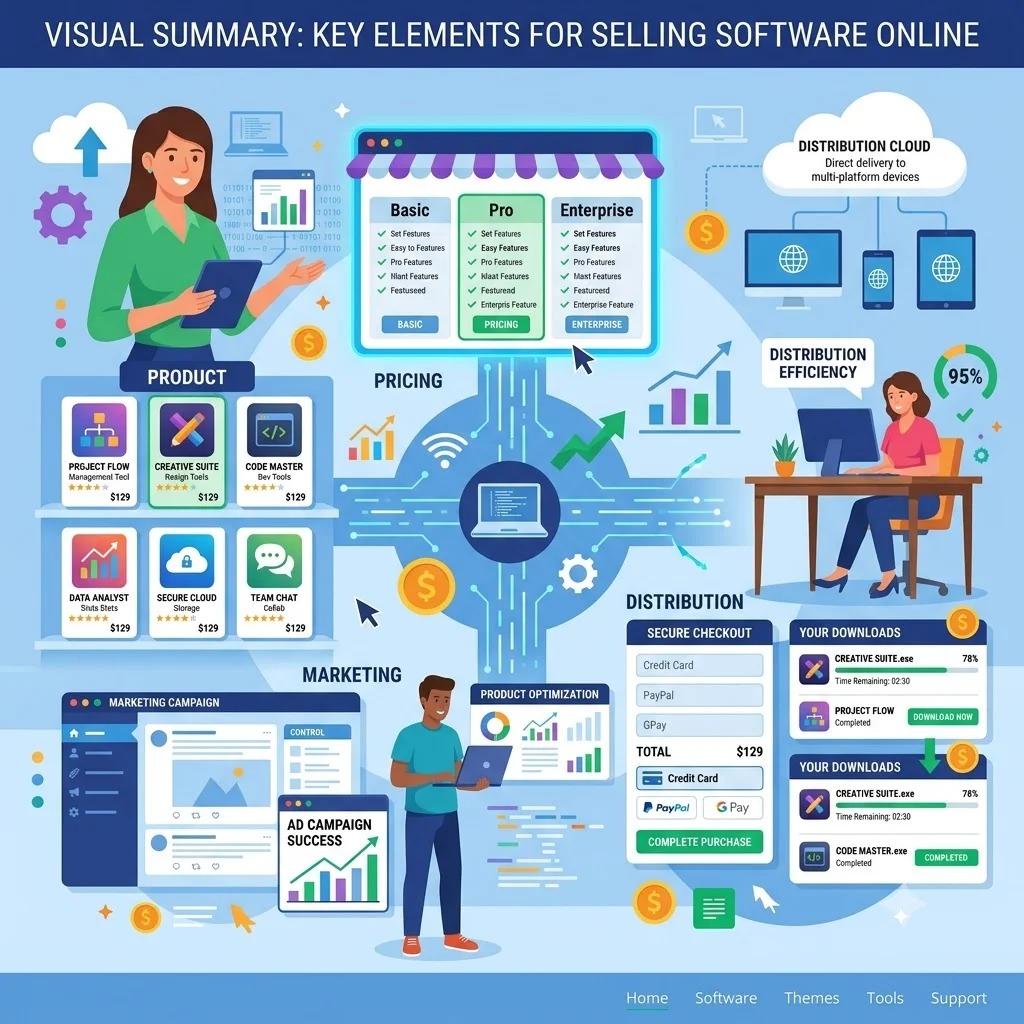
Comparison of Software Sales Platforms
The following table compares different types of software sales platforms, highlighting their key features, benefits, and considerations.
| Platform Type | Examples | Pros | Cons | Best For |
|---|---|---|---|---|
| Direct Website | Your custom site | Full control, no commissions | Requires marketing effort | Brand building, high-margin products |
| Marketplaces | App Store, Google Play | Built-in audience, trust | Fees, competition, limited data | Consumer apps, widespread reach |
| Reseller Networks | Partner programs | Leverage partner reach | Less control, lower margin | Enterprise or niche B2B sales |
Checklist: Launching Your Software Sales
Use this checklist to ensure you have addressed key considerations when launching your software product.
- Product Readiness: Is the software tested, functional, and user-friendly? Is it stable with minimal bugs?
- Legal and Licensing: Have you addressed licensing agreements, end-user license agreements (EULAs), and data privacy compliance?
- Payment Processing: Have you set up a reliable payment gateway that supports your chosen pricing model?
- Marketing and Sales Plan: Do you have a clear plan for driving traffic, generating leads, and converting them into customers?
- Customer Support: Have you established processes for handling inquiries, troubleshooting, and providing customer support?
- Tracking and Analytics: Have you implemented tools to track sales, user behavior, and marketing performance?
Tips for Successful Software Sales
These practical tips can help you navigate the software sales landscape and improve your chances of success.
- Focus on Customer Experience: A positive user experience is essential for retention and word-of-mouth marketing. Simplify purchasing and onboarding.
- Build a Feedback Loop: Encourage user feedback and use it to improve your product and address customer needs effectively.
- Leverage Data: Use sales and user data to refine your marketing, pricing, and product development strategies.
- Stay Agile: The software market evolves quickly. Be prepared to adapt your product, pricing, and strategies based on market changes and customer feedback.
- Invest in Security: Ensure your software and sales processes meet security standards to protect user data and maintain trust.
Frequently Asked Questions About Selling Software Online
What is the best pricing model for software?
The best pricing model depends on your software's nature, target audience, and business goals. Subscription models offer recurring revenue, while one-time purchases may be simpler for certain products.
Can I sell software without a website?
Yes, you can sell software through marketplaces and app stores without your own website, but having a website provides more control and credibility.
How do I handle software updates for customers?
Plan a clear update strategy, whether through automatic updates, download links, or in-app update notifications, and communicate clearly with customers about the process.
What are the legal requirements for selling software?
Legal considerations include licensing, privacy policies, terms of service, and compliance with relevant regulations (such as GDPR for European customers). Consult with a legal professional for specific guidance.
How can I market my software with a limited budget?
Focus on cost-effective strategies like content marketing, SEO, social media engagement, and building a community around your software. Product-led growth can also be effective.
What is the typical commission on software marketplaces?
Commission rates vary. App stores often charge 15-30%, while other marketplaces may have different fee structures. Review the terms carefully before selecting a platform.
How important is customer support for software sales?
Excellent customer support is vital for retention, building trust, and generating positive reviews and referrals, which are essential for long-term success.
Is it necessary to offer a free trial?
Free trials can be effective in reducing purchase anxiety and allowing users to experience the value of your software, often leading to higher conversion rates.
Conclusion
Selling software online in 2026 involves a multi-faceted approach that considers product-market fit, pricing, distribution, marketing, and customer support. By understanding these key aspects and carefully planning your strategy, you can navigate the software market effectively. This guide has provided a foundational overview of the processes and considerations involved. As the software landscape continues to evolve, staying informed and adaptable will be essential for those looking to succeed in this dynamic field.