
Introduction to AI Tools for Bloggers
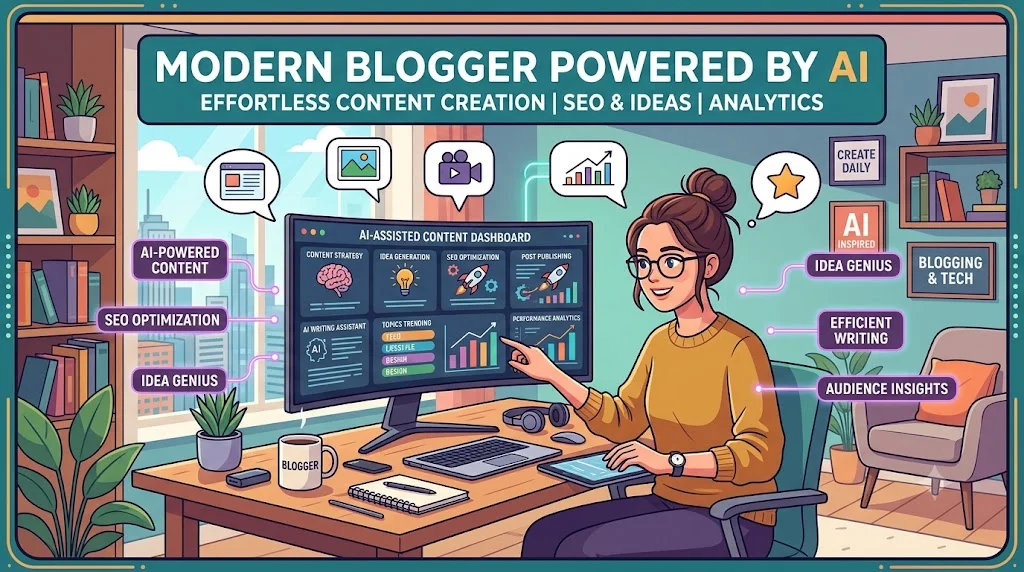
The blogging landscape has evolved significantly with the advent of artificial intelligence. AI tools for bloggers are no longer futuristic concepts but practical solutions that can enhance every stage of content creation, from ideation to publishing. This guide offers an overview of AI tools available to bloggers, how they can streamline workflows, and what to consider when integrating them into your process.
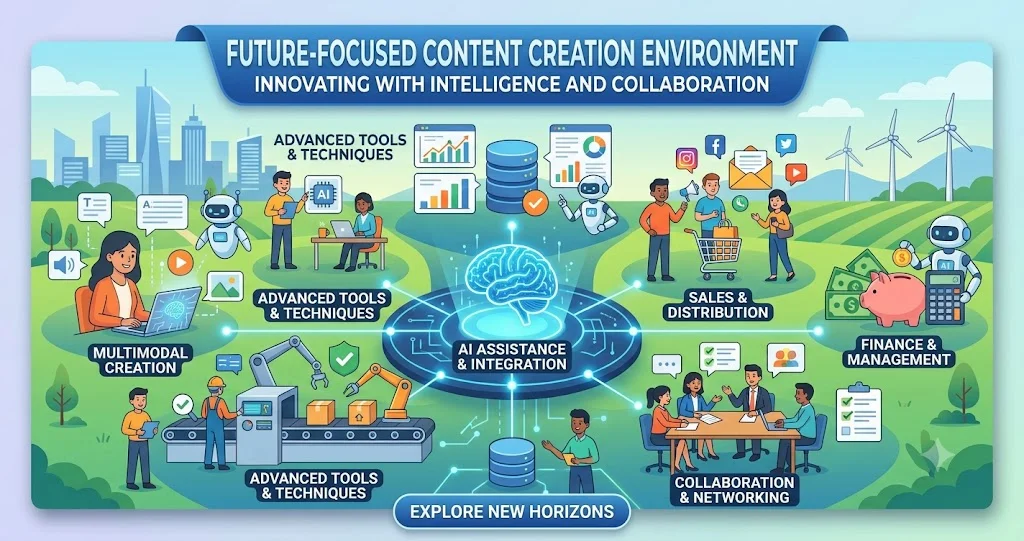
Whether you are a solo blogger or part of a content team, understanding these tools can help you work smarter, not harder.
Benefits and Limitations of AI Tools for Bloggers
Key Benefits
- Efficiency and Speed: AI can automate time-consuming tasks like research, outlining, and proofreading, allowing you to publish more frequently.
- SEO Enhancement: Many AI tools provide keyword suggestions, readability scores, and content optimization tips to improve search rankings.
- Content Ideation: Generative AI can produce topic ideas and headlines, helping you overcome writer's block.
- Consistency: AI tools can maintain a consistent tone and style across your blog posts, strengthening your brand voice.
- Data-Driven Insights: AI analytics can reveal audience preferences and content performance, guiding your strategy.
Limitations and Challenges
- Originality Concerns: AI-generated content may lack unique perspectives or unintentionally replicate existing materials, raising plagiarism risks.
- Quality Control: AI outputs often require significant human editing to ensure accuracy, nuance, and engagement.
- Over-Reliance Risk: Dependence on AI can stifle personal creativity and diminish the authentic voice that readers value.
- Ethical Considerations: Transparency about AI use and proper attribution of sources are important ethical practices.
- Cost and Learning Curve: Some advanced tools have subscription costs and require time to master effectively.
Types of AI Tools for Bloggers
AI tools for bloggers come in various forms, each addressing different aspects of content creation. The table below outlines the main categories.
| Tool Category | Primary Function | Common Use Cases |
|---|---|---|
| AI Writing Assistants | Generate, expand, or rephrase text. | Drafting posts, creating outlines, rewriting paragraphs. |
| SEO Optimizers | Analyze and suggest improvements for search visibility. | Keyword research, meta tag optimization, readability analysis. |
| AI Image Generators | Create or enhance visuals for blog posts. | Featured images, custom illustrations, infographics. |
| Editing and Proofreading Tools | Check grammar, style, and tone. | Spell checking, style consistency, tone adjustment. |
| Content Research Tools | Aggregate and summarize information from multiple sources. | Topic research, competitor analysis, trend identification. |
| Analytics and Performance Tools | Track and analyze blog performance metrics. | Audience insights, engagement tracking, content recommendations. |
Current Trends in AI for Blogging
Staying abreast of trends ensures your blogging strategy remains relevant and competitive. Here are key trends shaping AI tools for bloggers.
- Hyper-Personalization: AI is increasingly used to tailor content to individual reader preferences, improving engagement and loyalty.
- Voice Search Optimization: With the rise of voice assistants, AI tools are helping bloggers optimize for conversational queries.
- Multimodal Content Creation: AI tools that generate text, images, and video from a single prompt are becoming more sophisticated.
- AI-Powered Content Curation: Tools that automatically curate relevant content from around the web to supplement original posts.
- Ethical AI Frameworks: Growing emphasis on transparency, bias mitigation, and responsible AI usage in content creation.
Essential Features of AI Tools for Bloggers
When evaluating AI tools, consider these essential features to ensure they align with your blogging needs.
- Ease of Integration: Seamless compatibility with your existing content management system (CMS) and workflow tools.
- Customization Capabilities: Ability to adjust tone, style, and complexity to match your brand voice.
- Accuracy and Reliability: High-quality outputs with minimal errors, and reliable performance across various topics.
- Data Privacy and Security: Clear policies on data handling, especially if you handle sensitive or proprietary information.
- Scalability: Ability to handle increasing content volume and complexity as your blog grows.
- User Support and Community: Access to tutorials, forums, and responsive customer service to resolve issues quickly.
Real-World Examples of Bloggers Using AI
Many successful bloggers integrate AI tools into their workflows. Here are illustrative examples.
- Tech Blogger: Uses an AI writing assistant to draft product reviews and tutorials, reducing writing time by 40% while maintaining technical accuracy.
- Lifestyle Blogger: Leverages AI image generators to create unique, on-brand visuals for each post, eliminating the need for stock photos.
- SEO Specialist: Employs AI optimization tools to analyze and improve existing blog content, boosting organic traffic by 25% over three months.
- Food Blogger: Uses AI research tools to discover trending recipes and ingredients, ensuring timely and relevant content.
- Finance Blogger: Integrates AI analytics to understand audience behavior and tailor content formats (e.g., videos, infographics) accordingly.
How to Select the Right AI Tools for Your Blog
Choosing the right AI tools can be overwhelming. Use this checklist to guide your selection process.
Selection Checklist
- Define Your Goals: What specific challenges are you addressing (e.g., time, SEO, creativity)?
- Assess Your Budget: Determine what you can afford, including free tiers and subscription costs.
- Test Free Versions: Take advantage of free trials to evaluate usability and output quality.
- Check Integrations: Ensure the tool works with your CMS and other software (e.g., WordPress, Google Docs).
- Read Reviews and Case Studies: Learn from other bloggers' experiences with the tool.
- Consider Learning Curve: Choose tools that match your technical comfort level.
- Evaluate Customer Support: Reliable support can be crucial, especially during initial setup.
- Plan for Scalability: Select tools that can grow with your blog without major disruptions.
Practical Tips for Implementing AI in Your Blogging Workflow
To maximize the benefits of AI tools, consider these practical implementation tips.
- Start with One Tool: Integrate a single AI tool initially to avoid overwhelm and assess its impact.
- Maintain Human Oversight: Always review and edit AI-generated content to ensure it aligns with your standards.
- Use AI for Repetitive Tasks: Reserve AI for research, outlines, and proofreading, while focusing your creative energy on storytelling and analysis.
- Stay Transparent: If you use AI to generate content, consider disclosing this to your audience to maintain trust.
- Track Performance: Monitor metrics like traffic, engagement, and conversion to measure the effectiveness of AI tools.
- Continuously Learn: Regularly update your skills and knowledge about new AI features and best practices.
Frequently Asked Questions
1. Can AI replace human bloggers entirely?
No, AI is not a complete replacement for human creativity, critical thinking, and authentic voice. It serves as an assistant to enhance productivity and provide insights, but human oversight is essential for quality and originality.
2. Are AI-generated blog posts considered plagiarism?
AI-generated content can inadvertently replicate existing text. It's important to use plagiarism checkers and add original insights to ensure uniqueness. Proper attribution of sources is also necessary.
3. How much do AI blogging tools cost?
Costs vary widely. Some tools offer free versions with limited features, while premium subscriptions can range from moderate to expensive depending on functionality and usage limits.
4. What is the best AI tool for beginner bloggers?
Many beginner-friendly tools offer intuitive interfaces, such as AI writing assistants with guided templates. Free trials can help you find one that suits your comfort level.
5. How do I ensure my AI-generated content ranks well on search engines?
Use AI tools that include SEO features to optimize keywords, readability, and meta tags. However, search engines increasingly value human-like, valuable content, so editing is key.
6. Is it ethical to use AI for blog writing?
Yes, as long as you are transparent about AI usage, ensure content quality, and adhere to copyright and attribution standards. Ethical use enhances productivity without compromising integrity.
7. Can AI tools help with blog promotion and distribution?
Yes, some AI tools assist with social media scheduling, email marketing, and content distribution, helping you reach a wider audience more efficiently.
Conclusion
AI tools for bloggers offer powerful capabilities to streamline content creation workflows, enhance SEO, and improve efficiency. By understanding the benefits, limitations, and types of tools available, you can make informed decisions that align with your blogging goals. The key is to view AI as a collaborator—not a substitute—for your creativity and expertise. Start with a focused approach, test tools thoroughly, and continuously refine your process. As AI technology evolves, staying adaptable and informed will help you maintain a competitive edge while delivering valuable, authentic content to your readers. Embrace the possibilities, but always prioritize quality and connection with your audience.