
Introduction to AI Side Hustles
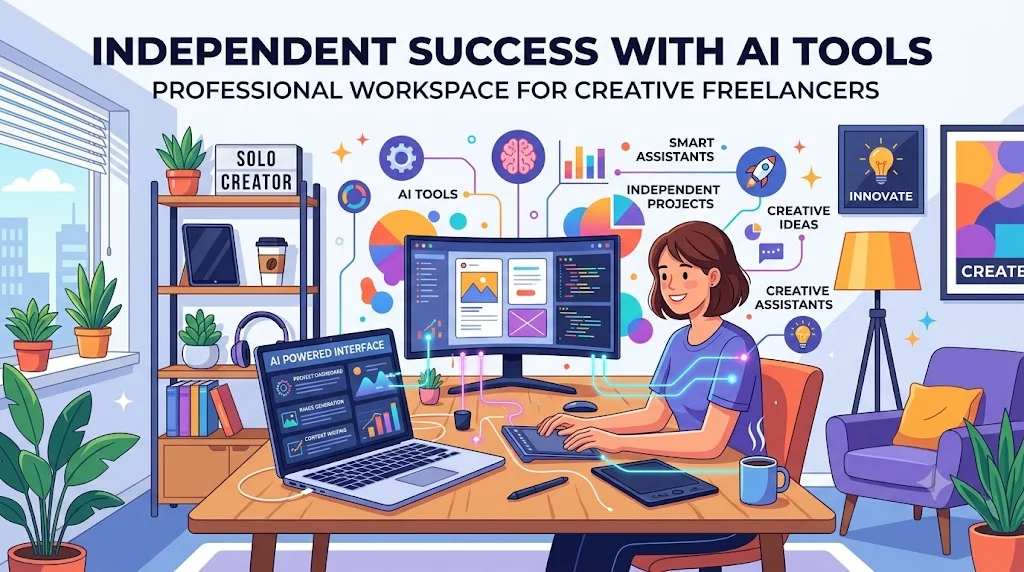
The rise of accessible artificial intelligence tools has created new opportunities for individuals to generate income outside traditional employment. AI side hustles allow people to leverage automation, machine learning, and generative models to offer services, create products, or solve problems for clients. This guide provides a practical overview of AI side hustles that actually work, examining the landscape, opportunities, and considerations for getting started.
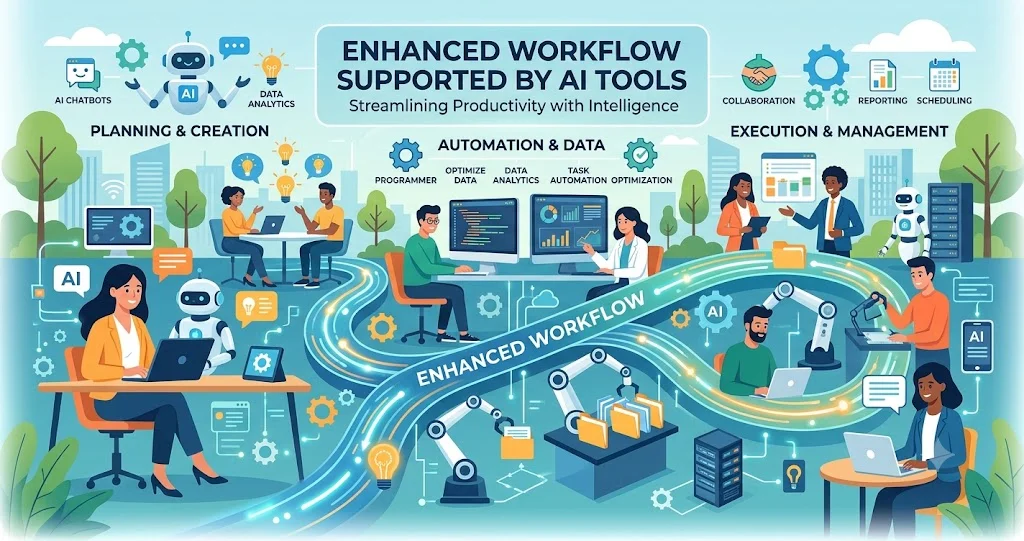
Whether you are a creative professional, a data enthusiast, or someone curious about technology, this resource offers neutral, educational insights to help you navigate the world of AI-powered side income.
Benefits and Limitations of AI Side Hustles
Key Benefits
- Flexibility: Many AI side hustles can be done remotely and on a flexible schedule, making them ideal for supplementing existing work or studying.
- Scalability: AI tools allow you to handle more work with less manual effort, enabling you to scale your side business efficiently.
- Low Entry Barriers: Numerous user-friendly AI platforms require minimal coding skills, opening doors for non-technical individuals.
- Diverse Opportunities: From content creation to data analysis, AI side hustles span various industries and skill sets.
- Learning and Growth: Engaging with AI tools builds valuable technical and problem-solving skills that enhance your professional profile.
Limitations and Challenges
- Learning Curve: Understanding how to effectively use AI tools requires time and effort, particularly for more complex applications.
- Market Competition: As AI becomes more mainstream, many side hustle niches are becoming crowded, making differentiation essential.
- Dependence on Technology: AI tools can have limitations, inaccuracies, or downtime, which may affect service quality.
- Ethical and Legal Considerations: Issues such as copyright, data privacy, and transparency must be navigated carefully.
- Income Variability: Earnings can be inconsistent, especially when starting out, requiring patience and persistence.
Types of AI Side Hustles
There is a wide range of AI side hustles to explore. The table below compares some of the most common and viable options.
| Side Hustle Type | Description | Skill Level | Income Potential |
|---|---|---|---|
| AI Content Creation | Use generative AI to write articles, social media posts, or marketing copy for clients. | Beginner to Intermediate | Moderate to High |
| Data Labeling and Annotation | Label data for training machine learning models, such as image or text categorization. | Beginner | Low to Moderate |
| AI Consulting | Advise businesses on how to implement AI solutions to improve their operations. | Advanced | High |
| AI-Powered Trading | Use algorithmic trading bots to invest in stocks or cryptocurrencies. | Intermediate to Advanced | Variable (High Risk) |
| AI Art and Design | Create digital art, logos, or designs using AI image generators and sell them online. | Intermediate | Moderate |
| AI Voiceover and Audio | Produce voiceovers, podcasts, or audio content using AI voice synthesis tools. | Intermediate | Moderate |
Current Trends in AI Side Hustles
Staying informed about trends can help you identify emerging opportunities and avoid saturated markets. Here are key developments shaping AI side hustles.
- Generative AI Services: The rise of models like ChatGPT and DALL-E has fueled demand for AI-generated content, art, and code, creating many side hustle niches.
- Niche Specialization: Rather than offering generic AI services, successful side hustlers are focusing on specific industries (e.g., legal, medical, real estate) to provide tailored solutions.
- AI Automation for Small Businesses: Many small businesses seek affordable automation solutions, presenting opportunities for freelancers to set up AI workflows.
- Ethical AI Consulting: As concerns about bias and transparency grow, there is increasing demand for experts who can guide responsible AI adoption.
- AI Education and Training: Teaching others how to use AI tools effectively is becoming a popular side hustle in itself.
Essential Features of AI Tools for Side Hustles
When selecting AI tools for your side hustle, consider these key features to ensure they meet your needs.
- User-Friendly Interface: Intuitive design reduces the learning curve and allows you to focus on delivering value rather than troubleshooting.
- Customization Options: The ability to fine-tune outputs or workflows is crucial for differentiating your services.
- Integration Capabilities: Tools that work well with other software (e.g., CMS, social media platforms) streamline your workflow.
- Quality of Output: Evaluate the accuracy, coherence, and creativity of the AI's outputs to ensure they meet professional standards.
- Cost Structure: Understand pricing models—whether subscription-based, pay-per-use, or free-tier—to manage your expenses.
- Support and Community: Access to documentation, tutorials, and user communities can accelerate your learning and troubleshooting.
Real-World Examples of Successful AI Side Hustles
Several individuals have built successful side businesses using AI tools. Here are illustrative examples.
- Freelance AI Writer: A former journalist uses ChatGPT to generate blog posts and social media content for multiple clients, doubling her monthly income while working part-time.
- AI Art Store Owner: An artist uses Midjourney to create unique digital prints and sells them on Etsy, achieving a steady stream of passive income.
- Automation Consultant: A data analyst offers services to small e-commerce businesses, setting up AI chatbots and inventory management systems, earning a significant hourly rate.
- Data Labeling Specialist: A student works on a platform labeling images for a self-driving car project, earning flexible income during evenings and weekends.
- AI Tutor: A tech enthusiast creates a YouTube channel and online courses teaching AI basics, generating revenue through ads and course sales.
How to Select the Right AI Side Hustle
Choosing a side hustle that aligns with your skills and interests is key to long-term success. Follow this checklist to make an informed decision.
Selection Checklist
- Assess Your Skills: Identify your strengths—whether in writing, design, coding, or communication—and match them with suitable AI applications.
- Evaluate Market Demand: Research the demand for specific AI services in your target industry or platform.
- Consider Time Investment: Be realistic about how much time you can dedicate and choose a side hustle that fits your schedule.
- Test Tools: Experiment with free trials or low-cost versions of AI tools to understand their capabilities and limitations.
- Analyze Competition: Look at other providers in your chosen niche and identify ways to differentiate yourself.
- Set Income Goals: Define your financial objectives and assess whether the side hustle can realistically meet them.
- Plan for Growth: Consider how you can scale your efforts over time, whether through automation, delegation, or expanding your service offerings.
Practical Tips for Launching Your AI Side Hustle
Once you've selected a side hustle, these tips can help you launch successfully and sustain momentum.
- Start Small and Learn: Begin with a single service or project to gain experience and build a portfolio.
- Build an Online Presence: Create a professional website or social media profile showcasing your services and past work.
- Network and Collaborate: Connect with other freelancers, join online communities, and seek referrals to expand your client base.
- Deliver Quality Consistently: Focus on exceeding client expectations to build a strong reputation and secure repeat business.
- Stay Updated: AI technology evolves rapidly; dedicate time to learning new features and trends to remain competitive.
- Manage Finances: Keep track of your income and expenses, and set aside money for taxes and business costs.
Frequently Asked Questions
1. Do I need to be a programmer to start an AI side hustle?
Not necessarily. Many AI tools are designed for non-technical users and offer intuitive interfaces. However, having basic technical literacy can be beneficial, and for certain hustles like AI consulting or automation, coding skills may be advantageous.
2. How much can I earn from an AI side hustle?
Earnings vary widely depending on the type of hustle, your skill level, and the market. Some side hustles may generate a few hundred dollars per month, while others can earn several thousand. It's important to research typical rates in your chosen niche.
3. What are the best AI tools for side hustles?
Popular tools include ChatGPT for writing, DALL-E and Midjourney for art, and Zapier for automation. The best tool depends on your specific hustle. Experiment with free versions to find what works for you.
4. How do I find clients for my AI side hustle?
Clients can be found through freelancing platforms like Upwork and Fiverr, social media, personal networks, and content marketing (e.g., writing blogs or creating videos). A strong portfolio and testimonials are crucial.
5. Are AI side hustles sustainable long-term?
It depends on market evolution and your ability to adapt. As AI technology advances, some hustles may become automated, while new opportunities will emerge. Staying flexible and continuously learning is key to long-term sustainability.
6. What are the legal considerations for AI side hustles?
Considerations include copyright issues (who owns AI-generated content), data privacy when handling client information, and transparency with clients about the use of AI. Consult legal resources or professionals for guidance.
7. How much time should I invest weekly?
This varies based on your goals and availability. Many side hustles start with 5-10 hours per week and scale from there. Consistency is more important than the number of hours.
Conclusion
AI side hustles offer a practical and accessible way to generate income while building valuable skills. By understanding the benefits, limitations, and types of opportunities available, you can choose a path that aligns with your interests and abilities. The key to success lies in starting small, delivering quality, and staying informed about industry trends. While challenges exist, the potential for growth and flexibility makes AI side hustles an attractive option for many. Use this guide as a starting point, explore the tools and platforms mentioned, and take the first step toward building your own AI-powered side business. With persistence and a willingness to learn, you can create a meaningful and profitable venture in the evolving world of artificial intelligence.