

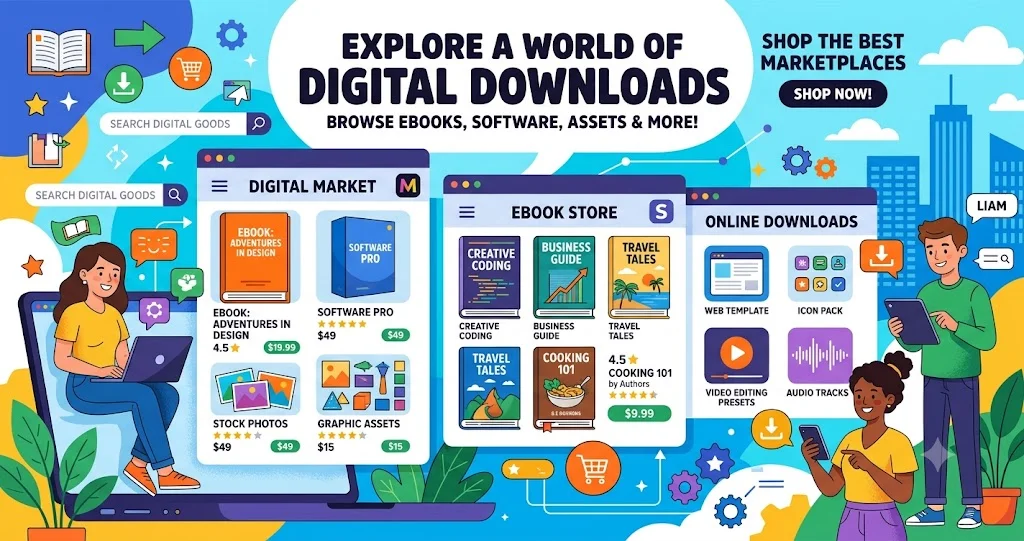
10 Marketplaces to Sell Digital Products Like Mini-Ebooks
Digital products, including mini-ebooks, offer creators a valuable way to share knowledge and generate income. However, finding the right marketplace to sell these products can be a challenge. This guide explores 10 marketplaces where you can sell digital products, offering an overview of their features, audience, and considerations for creators.
Introduction: The Digital Product Marketplace
The market for digital products has grown significantly, with more consumers seeking knowledge and resources in digital formats. Mini-ebooks are a popular product type, being accessible and quick to create. Selling through established marketplaces can provide access to existing audiences, simplifying the sales process. However, each platform has unique characteristics that can affect your reach and revenue. This guide helps you navigate the landscape of digital product marketplaces, focusing on those where mini-ebooks are a common and well-received format.
Marketplace 1: Amazon Kindle Direct Publishing
Amazon KDP is one of the largest and most well-known platforms for selling digital books, including mini-ebooks. It offers a massive built-in audience and a straightforward publishing process.
- Overview: Amazon KDP allows authors to self-publish ebooks and make them available in the Kindle Store, which has a global reach.
- Key Features: Easy uploading, royalty options (up to 70% for select regions and prices), and integration with Kindle devices and apps.
- Pros: Huge existing audience, trust and brand recognition, seamless distribution.
- Cons: High competition, limited control over pricing and promotions, exclusivity requirements for some royalty tiers.
Marketplace 2: Gumroad
Gumroad is a popular platform that allows creators to sell a wide range of digital products, including mini-ebooks, directly to their audience.
- Overview: Gumroad is a direct-to-consumer platform that provides creators with a customizable storefront and simplified sales process.
- Key Features: Simple setup, flexible pricing, support for various file types, and integrated marketing tools.
- Pros: Easy to use, strong community support, good for building a direct audience.
- Cons: Fees (percentage per sale), less built-in discovery, requires marketing effort to drive traffic.
Marketplace 3: Etsy
While known primarily for physical goods, Etsy has a significant and growing digital product marketplace, making it a viable option for mini-ebooks, especially in niche categories.
- Overview: Etsy is a popular platform for handmade and vintage items, but many sellers successfully sell digital products, including planners, guides, and mini-ebooks.
- Key Features: Established marketplace, built-in audience seeking unique items, user-friendly storefront.
- Pros: Strong audience, good for creative and niche products, trusted platform.
- Cons: Listing fees, transaction fees, and competition from other digital sellers.
Marketplace 4: Leanpub
Leanpub is a platform specifically designed for authors writing in-progress or self-published books, making it an interesting choice for mini-ebooks or longer works.
- Overview: Leanpub is a minimalist publishing platform that allows authors to publish and sell ebooks, including offering them in progress or as complete works.
- Key Features: Supports in-progress publications, high royalties (80%), and integrates with writing tools.
- Pros: Good royalty rates, supports agile publishing (write and sell as you go).
- Cons: Smaller built-in audience compared to Amazon, more niche appeal.
Marketplace 5: Payhip
Payhip is a platform focused on helping creators sell digital downloads, including ebooks, online courses, and other digital content.
- Overview: Payhip provides a simple, lightweight solution for selling digital products directly, with a focus on ease of use.
- Key Features: No monthly fees (only transaction fees), free setup, customizable checkout process.
- Pros: Low barrier to entry, good for beginners, simple and clean design.
- Cons: Transaction fees, less built-in audience, requires marketing effort.
Marketplace 6: Sellfy
Sellfy is an all-in-one e-commerce platform designed for selling digital products, including ebooks, online courses, and music.
- Overview: Sellfy offers a comprehensive platform with features for selling digital content and marketing.
- Key Features: Professional storefront, marketing tools (email, discount codes), and analytics.
- Pros: All-in-one solution, good for building a brand, includes marketing features.
- Cons: Monthly subscription fee, more complex setup than some simpler platforms.
Marketplace 7: Kobo Writing Life
Kobo Writing Life is a self-publishing platform that allows authors to sell ebooks in the Kobo store, which has a strong global presence in certain markets.
- Overview: Kobo Writing Life is the self-publishing arm of Kobo, a major ebook retailer with a significant international audience.
- Key Features: Access to Kobo's global store, competitive royalty rates, and promotional tools.
- Pros: Good for reaching international markets, supportive community.
- Cons: Smaller audience than Amazon KDP, less visibility in some regions.
Marketplace 8: Apple Books for Authors
Apple Books provides a platform for selling digital books to users of Apple devices, offering access to a large and engaged audience.
- Overview: Apple Books is Apple's digital bookstore, available on iPhone, iPad, and Mac devices.
- Key Features: Global distribution, royalty options, integration with Apple's ecosystem.
- Pros: Access to a large, affluent audience, integrated with Apple devices.
- Cons: Publishing process is more involved than some other platforms, smaller market share than Kindle.
Marketplace 9: Lulu Direct
Lulu Direct is a platform for self-publishing books, offering distribution to a range of online retailers, including Amazon, Barnes & Noble, and others.
- Overview: Lulu Direct is a publishing platform that distributes your ebook and print books to multiple online retailers.
- Key Features: Multi-channel distribution, print-on-demand option, author dashboard.
- Pros: Wide distribution, print-on-demand integration, good for multi-format publishing.
- Cons: Lower royalties than direct platforms, more complex management.
Marketplace 10: Your Own Website
While not a marketplace in the traditional sense, selling from your own website is an important option for creators looking to build a direct relationship with their audience and retain maximum revenue.
- Overview: Selling digital products directly from your own website using tools like WordPress with e-commerce plugins or other platforms.
- Key Features: Full control, higher margins, direct customer relationships, ability to build a brand.
- Pros: No platform fees, full control over branding and pricing, direct customer data.
- Cons: Requires building and driving your own audience, technical setup and maintenance.
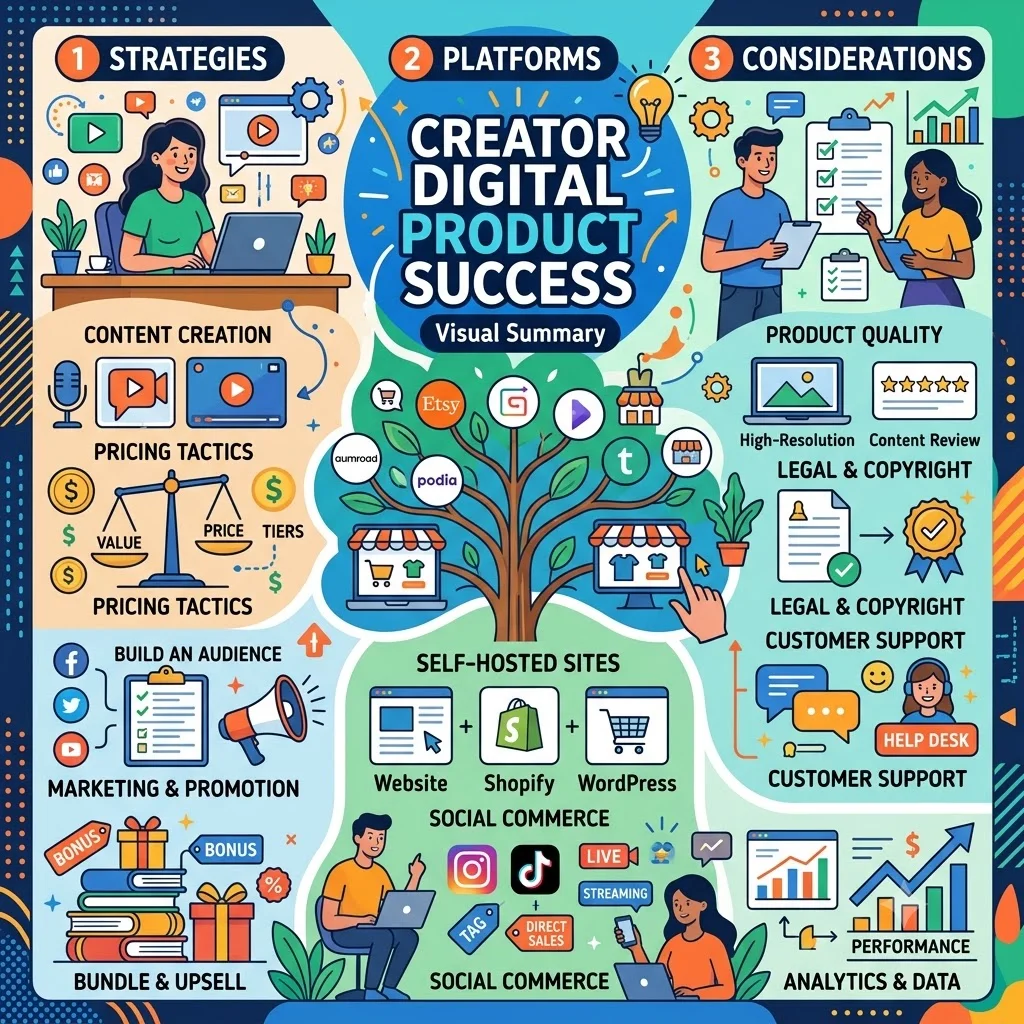
Comparison of Marketplace Features
The following table compares the 10 marketplaces on key factors such as fees, audience, and ease of use, helping you choose the right platform for your needs.
| Marketplace | Fee Structure | Audience Size | Ease of Use | Best For |
|---|---|---|---|---|
| Amazon KDP | 30-70% commission | Very Large | Medium | Wide reach, bestseller potential |
| Gumroad | ~8.5% + $0.30 | Medium (creator-driven) | Easy | Direct sales, simplicity |
| Etsy | Listing + transaction fees | Large | Medium | Creative/niche products |
| Leanpub | 20% commission | Small-Niche | Medium | In-progress or niche ebooks |
| Payhip | 5% transaction fee | Creator-driven | Easy | Simple selling, beginners |
| Sellfy | Subscription + fees | Creator-driven | Medium | Brand building, all-in-one |
| Kobo | Up to 70% royalty | Medium (global) | Medium | International markets |
| Apple Books | Up to 70% royalty | Large (Apple users) | Complex | Apple ecosystem, affluent users |
| Lulu Direct | Variable | Multi-channel | Complex | Multi-format publishing |
| Own Website | Transaction fees only | Creator-driven | Variable | Full control, higher margins |
Checklist: Choosing a Marketplace for Digital Products
Use this checklist to evaluate marketplace options for your digital products.
- Target Audience: Does the marketplace's audience align with your product's target market?
- Fee Structure: Are the fees reasonable for your product price? Consider percentage fees, listing fees, and subscriptions.
- Ease of Setup: How easy is it to set up and manage your storefront on this platform?
- Product Format Support: Does the platform support the file formats you are selling (PDF, EPUB, etc.)?
- Discovery and Marketing: Does the platform help customers find your product, or do you need to drive your own traffic?
- Control: How much control do you have over pricing, promotions, and customer data?
Tips for Selling Digital Products on Marketplaces
These practical tips can help you succeed when selling digital products on various marketplaces.
- Optimize Product Descriptions: Write clear, compelling descriptions that highlight the value and target audience of your product.
- Use Quality Covers: A professional-looking cover or image can significantly improve conversion rates.
- Price Competitively: Research what similar products are selling for and consider introductory pricing.
- Encourage Reviews: Positive reviews build trust and can help boost visibility on marketplace algorithms.
- Consider Going Wide: Don't limit yourself to one platform—diversifying across multiple marketplaces can increase exposure and revenue.
Frequently Asked Questions About Digital Product Marketplaces
Which marketplace is best for selling mini-ebooks?
The best marketplace depends on your goals. Amazon KDP offers the largest audience, while platforms like Gumroad or Etsy offer more control and less competition for niche products.
Can I sell the same mini-ebook on multiple platforms?
Yes, unless you are enrolled in exclusivity programs like Amazon KDP Select, you can sell your mini-ebook on multiple platforms simultaneously.
How much does it cost to sell on these marketplaces?
Costs vary. Some platforms charge a percentage of each sale, while others have listing fees, subscription fees, or transaction fees. Review the fee structures carefully before deciding.
Do I need to be a published author to sell on these platforms?
No, anyone can publish and sell digital products on these marketplaces. However, ensuring your product has value and is well-presented is important for success.
How do I receive payments from these marketplaces?
Most platforms offer payment via bank transfer, PayPal, or other electronic payment methods. The frequency of payment varies by platform.
Is it better to sell through a marketplace or my own website?
Marketplaces provide built-in audiences, while your own website offers greater control and higher margins. Many creators use both strategies to maximize reach and revenue.
How important is marketing for success?
Marketing is essential for success, especially when selling on platforms that do not provide significant internal discovery. Effective marketing can include content creation, SEO, social media, and email campaigns.
What file formats are commonly accepted for mini-ebooks?
PDF is the most common, but many platforms also support EPUB and MOBI (for Kindle). It's often recommended to offer multiple formats to cater to different devices.
Conclusion
Choosing the right marketplace for your digital products, including mini-ebooks, can significantly impact your ability to reach customers and generate income. The 10 marketplaces explored in this guide offer a range of options, each with unique strengths and considerations. By understanding the characteristics of each platform, evaluating them based on your product and goals, and diversifying your distribution, you can build a successful digital product business. This guide provides the information you need to get started, but remember to research each platform further to make the best decision for your specific needs.