
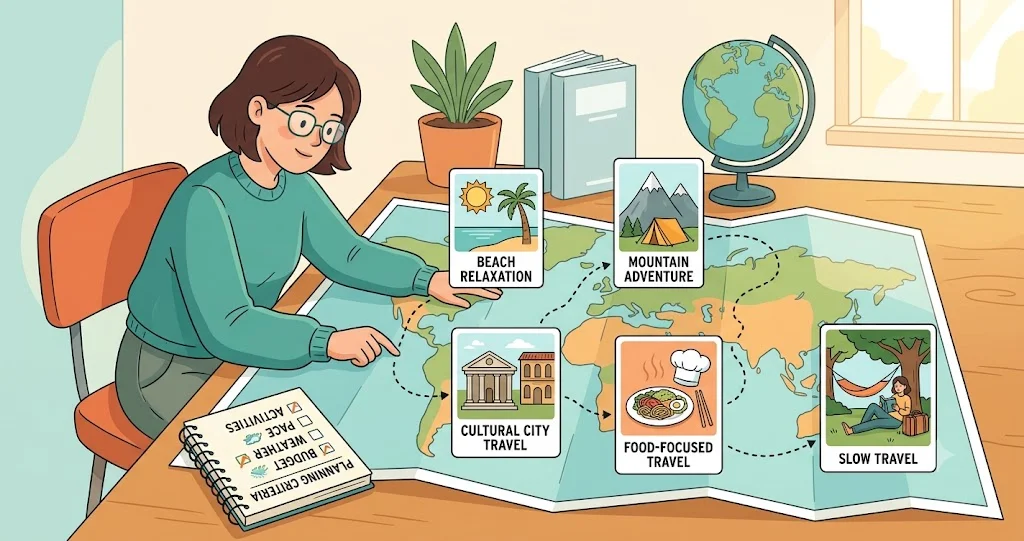
The right travel destination is not necessarily the most famous place, the cheapest flight, or the destination with the longest list of attractions. It is the place that fits the kind of trip you actually want to have. A beach holiday, slow cultural break, hiking trip, food-focused city escape, family vacation, and packed sightseeing itinerary can all require very different destinations.
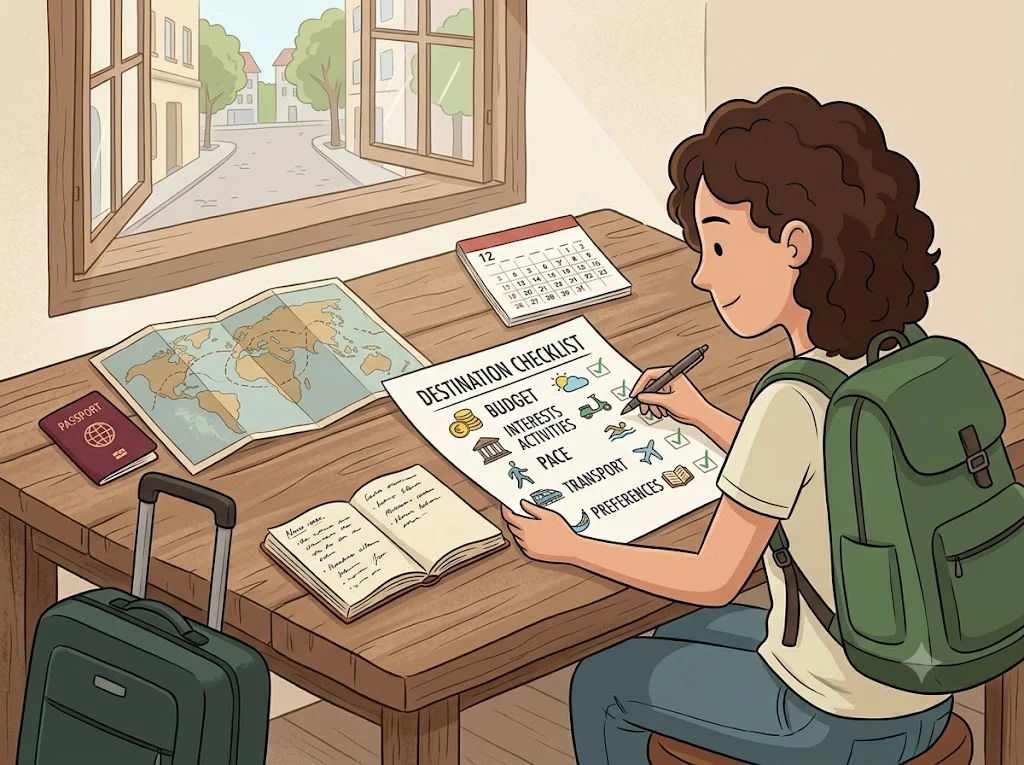
A practical way to choose the right travel destination is to start with your travel style and then test potential destinations against a small set of criteria: budget, interests, weather, pace, activities, transport, and personal preferences. This approach makes destination research more focused and helps prevent an attractive destination from turning into an inconvenient trip.
Start with the trip, not the destination
Instead of opening a map and asking “Where should I go?”, describe the experience you want first. For example, you might want three quiet days near nature, a week filled with museums and food, or an active trip with hiking and outdoor activities.
Write down five or six words that describe your ideal trip. Examples include:
- Relaxed and slow
- Active and outdoors-focused
- Cultural and historical
- Food and nightlife focused
- Family-friendly and convenient
- Scenic and photography-oriented
- Social and city-based
These words become your initial destination criteria. A destination that looks appealing in photographs may not fit the pace, climate, transportation, or activities you actually prefer.
The seven factors that shape destination fit
| Factor | Question to ask | What to check |
|---|---|---|
| Budget | How much can I comfortably spend? | Transport, accommodation, food, activities, local travel, insurance, and contingency money |
| Interests | What do I want to spend my time doing? | Culture, beaches, food, nature, history, shopping, sports, nightlife, or relaxation |
| Weather | What conditions do I enjoy? | Temperature, rainfall, humidity, snow, daylight, and seasonal conditions |
| Pace | Do I want to relax or stay busy? | Travel distances, attraction density, day-trip options, and time needed to move around |
| Activities | Are my priority activities available? | Hiking, diving, skiing, museums, wildlife, food tours, beaches, festivals, or other interests |
| Transport | How much moving around am I comfortable with? | Public transport, driving, transfers, walking, domestic flights, and travel time between places |
| Preferences | What practical conditions matter to me? | Accommodation style, accessibility, family needs, food preferences, crowds, language, and trip length |
1. Set the budget before choosing the destination
Budget is more than the price of a flight or hotel. Build a rough trip budget around the complete journey: getting there, accommodation, food, local transportation, activities, travel insurance where appropriate, and a buffer for unexpected expenses.
It is also useful to separate fixed costs from daily costs. A destination may have an inexpensive daily cost but require expensive long-distance transportation to reach it. Another destination may have a higher accommodation price but make it easier to walk between attractions or use public transportation.
Before comparing destinations, decide which matters more to you:
- Lower total trip cost
- Better accommodation within the same budget
- More activities and experiences
- Shorter travel time
- More flexibility for spontaneous spending
For a realistic comparison, use the same assumptions for every destination. Compare similar accommodation standards and include the same categories of expenses.
2. Match the destination to your interests
Do not judge a destination only by the number of attractions it has. Ask whether its attractions match your interests.
For a history-focused traveler, the useful questions might be about museums, historic districts, archaeological sites, architecture, and guided tours. For someone who prefers nature, hiking routes, beaches, parks, wildlife, landscapes, and access to outdoor areas may matter more.
A destination with fewer attractions can therefore be a better fit for someone who wants a specific type of experience. The goal is not to maximize the number of things available; it is to maximize the relevance of what is available to your trip.
3. Check the weather for your actual travel dates
Climate can change the character of a trip. The same destination may work well for one traveler in one season and poorly for another at a different time.
Before booking, check:
- Typical temperatures for your travel period
- Rainfall and storm patterns where relevant
- Humidity if you find hot or humid conditions uncomfortable
- Snow or extreme-weather conditions for outdoor activities
- Daylight hours if outdoor sightseeing is important
- Whether your preferred activities operate during that season
Seasonality also affects visitor patterns and destination operations. UN Tourism describes seasonality as a recurring issue that can produce economic, environmental, and sociocultural effects for destinations. That makes the travel month an important part of destination selection rather than an afterthought.
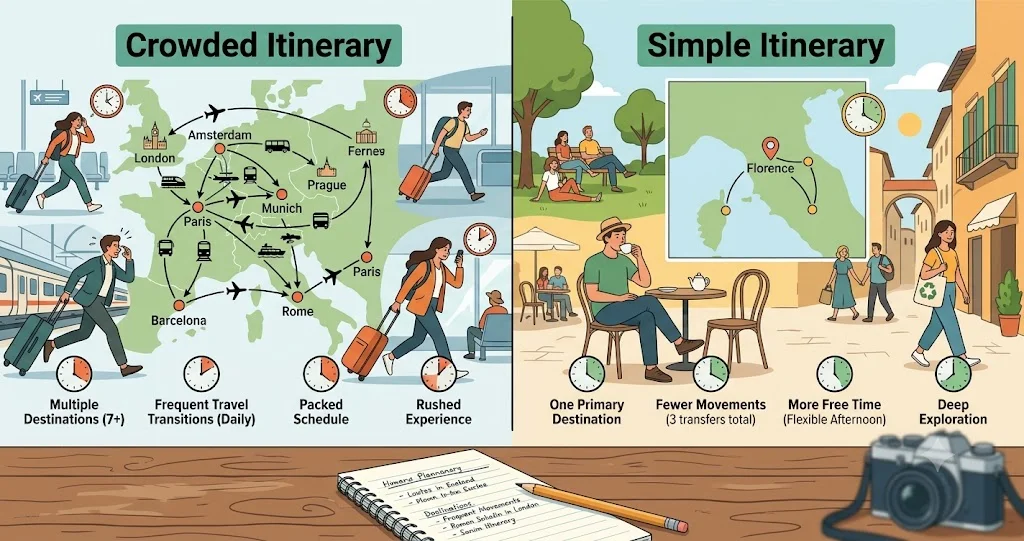
4. Decide how fast you want to travel
Two people can visit the same country and have completely different experiences because they use different travel paces.
Slow-paced travel
If you prefer relaxed mornings, long meals, free afternoons, and time to explore without constantly checking a schedule, look for destinations where accommodation, food, and your main interests are relatively close together.
Fast-paced travel
If you enjoy seeing many places, museums, landmarks, day trips, and different neighborhoods, a destination with efficient transportation and a high concentration of attractions may fit better.
Be careful with itineraries that require frequent hotel changes or long transfers. A long list of destinations can look impressive on paper while leaving little time to actually experience them.
5. Match activities to the season
Make a short list of the two or three activities that would make the trip worthwhile. Then verify whether they are practical during your dates.
For example, someone choosing a mountain destination primarily for hiking should check trail conditions and seasonal access. A traveler interested in winter sports should check the relevant operating season and conditions. Someone planning a beach-focused trip should look beyond the destination's reputation and investigate the conditions expected during the intended travel period.
This matters because destinations often have different tourism patterns across the year. UN Tourism research on destination seasonality notes that peak periods can be associated with higher visitor pressure and that destination conditions vary by season.
6. Think about transportation and effort
Transportation can determine whether a destination feels convenient or tiring.
Ask:
- How long will it take to reach the destination?
- How easy is it to get from the arrival point to accommodation?
- Can you reach the places you care about without a car?
- Will you need multiple internal flights or long road journeys?
- How much walking is involved?
- Are transfers frequent enough for your preferred itinerary?
Transportation should be evaluated together with pace. A destination can have excellent attractions but require substantial daily travel between them. If you want a slow holiday, that may be a poor match. If you enjoy road trips and changing locations, the same travel distances may be part of the experience you want.
7. Consider who you are traveling with
Your travel style is not always an individual decision. A destination that works for a solo traveler may require more planning for a family with young children or a group with different interests.
For family trips, consider accommodation setup, meal flexibility, travel distances, activity suitability, and downtime. For group travel, identify which activities are shared priorities and which can be optional. For couples or solo travelers, think about whether you prefer structured activities, independent exploration, or a combination.
Accessibility should also be considered when relevant. UN Tourism identifies access for all as one element within sustainable destination criteria, alongside visitor satisfaction, safety, environmental management, and other destination-management considerations.
A simple destination-fit framework
Once you have three to five candidate destinations, compare them using the same questions rather than choosing based on the first attractive photo or recommendation.
- Define the trip: Write down the experience you want in one sentence.
- Set the budget: Establish a comfortable total range before researching individual bookings.
- Choose your priorities: Select two or three activities or experiences that matter most.
- Check the season: Verify weather and whether your priority activities are practical during your dates.
- Check the pace: Estimate how much time you will spend moving between places.
- Check transport: Understand arrival, local transportation, and major transfers.
- Check practical preferences: Consider accommodation, food, accessibility, family requirements, and other personal needs.
- Compare the finalists: Keep the same criteria for every destination.
Example: turning travel style into a destination search
Suppose a traveler has seven days, prefers moderate spending, enjoys local food and history, dislikes very rushed itineraries, and wants comfortable weather for walking.
Instead of searching broadly for “best places to travel,” the traveler can define the requirement as: a walkable or easily connected destination with strong food and historical experiences, suitable weather for the intended dates, and enough attractions to fill a week without constant transfers.
That description immediately changes the research process. The traveler can investigate candidate cities or regions against specific requirements instead of relying on popularity alone.
When the destination is right but the timing is wrong
Sometimes the destination matches your interests but the selected dates do not. In that situation, changing the travel month may solve the problem more effectively than changing the destination.
For example, if your main goal is an outdoor activity and the conditions during your planned dates are unsuitable, investigate another season before removing the destination from your list. Conversely, if you strongly dislike crowds or peak-season conditions, a shoulder period may deserve consideration where local conditions and availability make it practical.
UN Tourism has highlighted seasonality as a destination issue because visitor demand can fluctuate substantially across periods and can affect economic, environmental, and social conditions.
Common mistakes when choosing a destination
Choosing because a destination is popular
Popularity tells you that many people visit a place, but it does not establish that the place matches your travel style.
Looking only at flight prices
A cheap flight does not represent the total trip cost. Accommodation, transportation, food, activities, baggage, insurance, and other expenses can materially change the overall budget.
Ignoring travel time between attractions
Maps can make locations appear close together. Check actual transportation times and the number of transfers required.
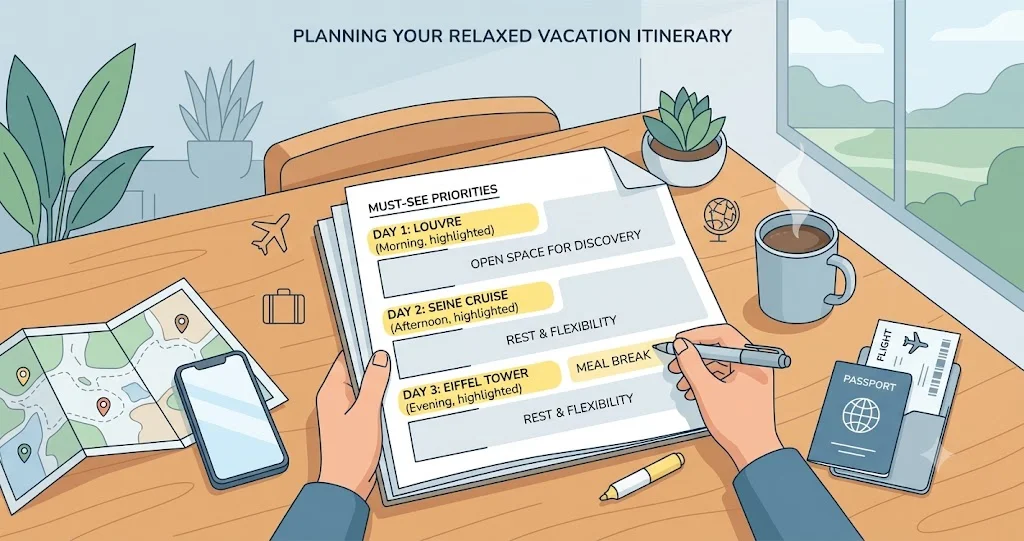
Planning every hour
A tightly scheduled itinerary can leave little room for meals, rest, weather changes, delays, or spontaneous exploration. Build some flexibility into the plan.
Ignoring seasonal conditions
Research the destination for the month you will actually visit, not only the conditions shown in generic destination guides or promotional photographs.
Trying to satisfy everyone with one itinerary
For group travel, identify shared priorities and allow optional activities. A destination does not need to provide the exact same experience to every traveler in the group.
A five-minute destination checklist
Before making a booking, answer these questions:
- What is the main experience I want from this trip?
- Does the destination fit my total budget rather than just my transport budget?
- Is the weather suitable for my preferred activities during my dates?
- Does the destination support the pace I want?
- Can I reach my priority activities without excessive travel time?
- Does the accommodation and transportation setup fit my personal needs?
- Have I checked current entry, transport, safety, and local travel information from appropriate official sources?
- Have I left enough flexibility for delays or changes?
Frequently asked questions
How do I choose a destination when I have many interests?
Choose two or three priorities rather than trying to maximize everything. Then identify destinations that provide strong opportunities for those priorities while still offering a few secondary activities.
Should budget or interests come first?
Use both together. First establish a realistic budget range, then eliminate destinations that do not fit it. Among the remaining options, compare how well each destination matches your interests and preferred pace.
How important is weather when choosing a destination?
It depends on the trip. Weather becomes particularly important when your plans depend on outdoor activities, beaches, hiking, winter sports, or extensive walking. Check conditions for the exact travel period rather than relying only on annual averages.
Is a shorter trip better in a destination with lots of attractions?
Not necessarily. A destination with many attractions can support a short city break or a longer stay, but the right length depends on your pace and how much time you want to spend moving between places.
How many destinations should I compare?
Three to five candidates are usually enough for a practical comparison. A much longer list can make the decision harder without adding useful information. Narrow the list using your non-negotiable criteria first.
Should I choose a destination based on sustainability?
Sustainability can be one of your selection criteria, particularly if supporting local communities, protecting natural areas, reducing unnecessary transport, or avoiding excessive visitor pressure matters to you. UN Tourism treats economic, environmental, and social effects as parts of sustainable tourism rather than viewing sustainability as a single issue.
The practical takeaway
The easiest way to choose a travel destination is to stop looking for a universally “best” place and instead identify the place that fits your particular trip. Start with your budget, interests, preferred pace, weather requirements, activities, transportation tolerance, and personal preferences. Then compare a small number of destinations using the same criteria.
A useful destination decision should answer one simple question: Will this place make it easy for me to have the kind of trip I actually want? If the answer is clear after checking the practical details, you have moved from browsing destinations to making a travel plan.